Words by Amy Tokic
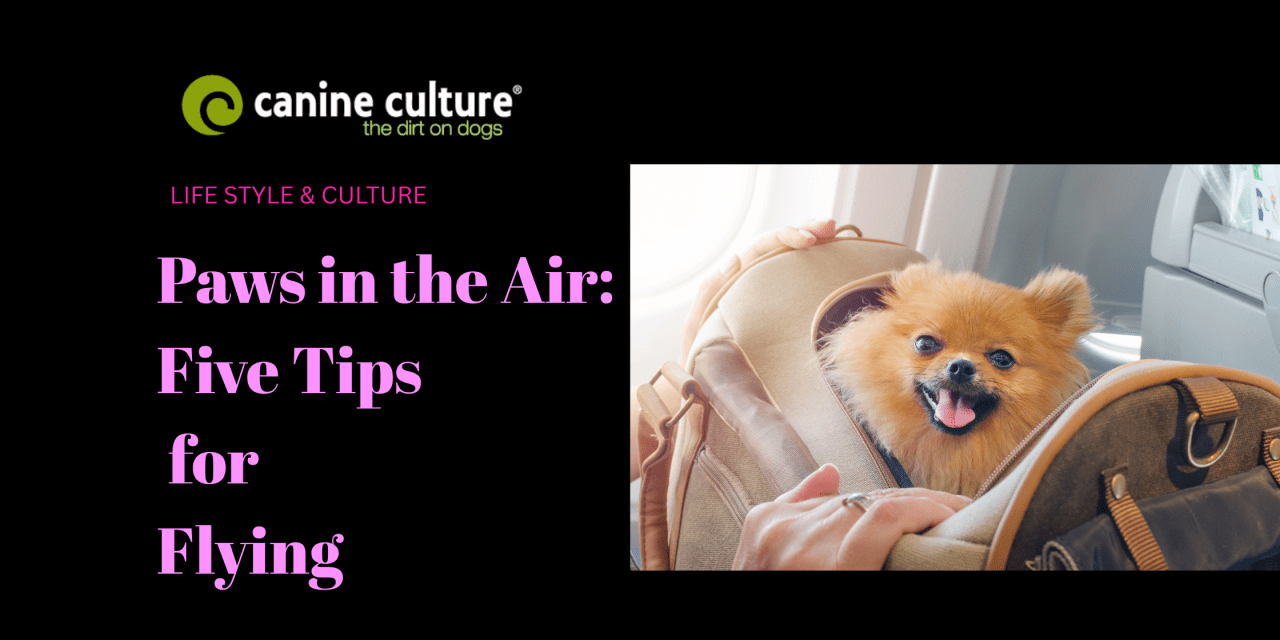
Try to imagine the flight from your dog’s point of view. All the unfamiliar sights, sounds and smells can feel overwhelming, especially if your pup will be tucked under the seat in front of you or traveling alone in the cargo hold.
The good news? Flying with your dog doesn’t have to be frightening for them or stressful for you. With a little preparation and the right approach, the journey can be just as enjoyable as the destination. Follow the five tips below to help protect your dog’s health and safety every step of the way. And be sure to review your airline’s pet policy, travel regulations and any international requirements for your destination before you go.
Flying cabin or cargo hold?
Before booking your tickets, decide where your dog will travel during the flight. Smaller dogs (typically under 20 pounds) may be eligible to fly in the cabin, but size isn’t the only consideration; temperament matters, too. Airlines often require pets in the cabin to be calm and well-behaved, and they reserve the right to deny boarding to dogs that are disruptive due to noise or odors. Be honest about how your dog handles unfamiliar people and environments so you can plan the safest, least stressful option for everyone.
Go with a direct flight
Whenever possible, choose a nonstop flight. Fewer takeoffs, landings, and layovers mean less stress for your dog. If you have flexibility, opt for a weekday flight, when airports are typically quieter and less chaotic. For pets traveling in the cargo hold, timing matters even more — early morning or evening flights are best in the summer to avoid extreme heat, while midday flights are safer in the winter to steer clear of frigid temperatures.
Visit the vet before you take off
Schedule a pre-trip visit with your veterinarian to make sure your dog is healthy enough to fly, all vaccinations are up to date, and a health certificate is issued within 10 days of departure. Ask your vet about any medications your dog may need and whether it’s appropriate to attach them to the carrier, especially if your pet will be traveling in the cargo hold. Be sure to pack enough medication for the entire trip and bring copies of prescriptions in case of emergencies.
Health certificate rules vary by airline, location, and destination, so check requirements carefully before you travel. And if you’re flying round-trip, remember that you’ll need to meet the same requirements for the journey home.

Up-to-date ID
Label your dog’s carrier with their name, your home address and phone number, and the contact information for someone at your destination. Be sure your dog’s ID tags are current and securely attached.
It’s also smart to carry a recent photo of your dog; if anything goes wrong during travel, a photo can help airline staff or local authorities identify and locate your pet more quickly. For added peace of mind, consider a permanent form of identification such as a microchip, which can greatly improve the chances of being reunited if your dog ever gets lost — during travel or beyond.
Early feeding time
To avoid discomfort during the flight, try feeding your dog about four hours before departure. You can continue offering water up until check-in — just remember to empty the bowl beforehand to prevent spills at security or during the flight.
Before heading to the airport, make sure your dog gets some exercise and a final bathroom break. And don’t forget to line the carrier with an absorbent puppy pad for added comfort and peace of mind.
Flying with a pet requires extra preparation, but putting your dog’s comfort first — and carefully following airline guidelines — can make traveling in the cabin or cargo hold a smoother, less stressful experience for everyone involved.